


Introduction to Food Content
Food videos are unusually good at making people stop scrolling. A crisp bite, a close-up of melting cheese, or the final reveal of a beautifully plated meal can communicate many things simultaneously. But the appeal of food videos is about more than attractive images.
Food is deeply connected to the senses, memory, emotion, identity, and anticipation. Short-form video brings many of those cues together in a few seconds, giving viewers enough information to imagine the taste, texture, and experience of the food without actually eating it.
That helps explain why food videos perform so strongly across platforms such as TikTok and Instagram. Research from TMU also talks about the connection between short-form food content and measurable effects on engagement, memory, intention, and even immediate food-ordering behaviour.
For restaurants and hospitality brands, however, there is an important distinction: A food video can attract attention without creating demand.
The most effective restaurant content does more than generate views. It makes the right people notice the brand, understand what makes it different, want the experience, remember it later, and know what to do next.
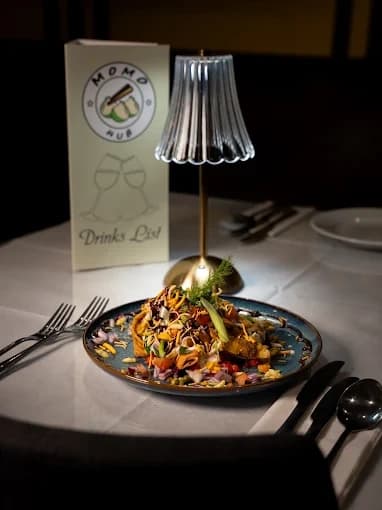
So, Why Do People Like Watching Food Videos?
Food videos work because they compress several powerful psychological and sensory cues into an extremely easy-to-consume format.
A viewer can understand a dish visually before reading a caption or menu description. Movement creates anticipation. Sound reinforces texture. Close-up shots make ingredients feel tangible. And familiar foods can trigger memories or emotions associated with previous experiences.
The result is content that can generate attention, anticipation, sensory imagination, and desire almost simultaneously.
Visual Stimulation
Food is inherently visual. Colour, texture, shape, steam, movement, and contrast can all make a dish more noticeable. A crispy coating, glossy sauce, or bubbling cheese gives the viewer information about what the food might feel and taste like.
Anticipation
Good food videos rarely give the viewer everything immediately. Instead, they create a small question like: What is underneath that lid? Or how will the finished dish look? That anticipation gives the viewer a reason to continue watching until the payoff arrives.
Sensory Imagination
A screen cannot deliver taste or smell, but food content can provide cues that encourage viewers to imagine them. A crunch can suggest texture. Steam can suggest temperature. A close-up of sauce coating a dish can suggest richness. The visual and auditory information becomes a kind of proxy for an experience that cannot physically happen through the screen.
Emotion and Memory
Food is rarely just food. A particular dish can remind someone of home, family, holidays, travel, childhood, celebrations, or a specific culture. That gives restaurants another opportunity. The strongest food content does not necessarily communicate only what the dish is. It can communicate what the experience means. It can be a family recipe that shows their heritage or a busy kitchen with energy. The food becomes part of a larger story.
What Makes a Food Video Engaging?
An effective food video needs to do more than look attractive. A useful way to think about food content is through five characteristics:
Characteristic | What it does |
Watchability | Gives someone a reason to stop and keep watching |
Shareability | Gives them a reason to send it to someone else |
Desirability | Makes the food or experience feel worth having |
Memorability | Connects the content with a recognisable brand |
Actionability | Gives the viewer a reason to visit, order, book or learn more |
This distinction matters because virality and effectiveness are not the same thing.
A video can achieve enormous reach and still do very little for the restaurant behind it. Another video might receive fewer views but put the right dish in front of people who are genuinely likely to visit.
The objective, therefore, should not always be how we get more views, but what should this video change in the person watching it?
For one video, that might be curiosity. For another, appetite. For another, trust, and so on. The strongest content strategy understands the job each piece is supposed to perform.
How Do Food Videos Make People Want to Eat?
Food content can create desire by helping viewers mentally simulate an experience they are not currently having. This is sometimes described as visual hunger, as seeing appetising food can stimulate thoughts and expectations associated with eating. The effect is not simply about making food look pretty. It is about communicating sensory information.
Consider the difference between:
“Our burger is handmade with quality ingredients.”
and a close-up video showing the burger being assembled, the sauce spreading across the bun, the crust being cut, and someone taking the first bite.
The second communicates far more without explicitly saying very much.
A recent 2026 study found that different formats of food content and short videos could influence intentions to visit featured destinations, supporting the idea that short food content can move beyond entertainment into behavioural intention.
For restaurants, this creates an important principle of not just simply showing the food but also why someone would want the experience. That might mean showing:
the texture of the food
how it is prepared
the people making it
the reaction of someone eating it
the occasion it belongs to
the story behind the dish
Desire is rarely created by the food alone. It is created by the meaning and experience surrounding it.
Why Does Storytelling Matter in Food Content?
A dish can attract attention. A story can make someone care. This is particularly important for restaurants because customers are not only choosing what to eat. They are choosing where to spend their time, money, and attention.
A family-run restaurant might tell the story behind a recipe passed through generations.
A Glasgow café might show the people behind the counter and the community that has grown around the business.
A street food brand might use fast edits, humour, movement and personality to communicate energy.
The format changes. The underlying principle does not. Content becomes more memorable when it communicates something about the brand, not just the product.
That is also why storytelling is so closely connected to restaurant branding. Consistent content can repeatedly reinforce the same associations until the restaurant becomes recognisable before someone ever walks through the door.
How Can Restaurants Use Food Videos to Attract Customers?
Restaurants can use food videos to do much more than showcase menu items. The best content can communicate the entire experience around the food.
Showcase signature dishes.
Every restaurant has something it wants to be remembered for. Food video can make that dish visually distinctive and repeatedly associate it with the restaurant.
Show the experience, not just the plate.
A restaurant is more than its menu. Show the room, atmosphere, service, people, preparation, and moments that make the experience different.
Introduce the people behind the food.
Chefs, owners, servers, and kitchen teams can make a brand feel human. A customer's relationship with a restaurant can become stronger when they recognise the people behind it.
Turn preparation into content.
Preparation creates natural narrative structure. Ingredients become a beginning. Cooking becomes the middle. The finished dish becomes the payoff. That structure is already built into the process.
Build local identity.
For restaurants in Glasgow, content can also communicate a relationship with the city. Rather than repeatedly adding “Glasgow” in the captions, show what makes the restaurant part of the local food culture. That could be its neighbourhood, customers, suppliers, traditions, events, community, or distinctive perspective.
Support launches and campaigns.
Food content can also give people a reason to act now. A new menu, seasonal dish, collaboration, event, or limited-time product creates context around the content. This is where attention can become demand.
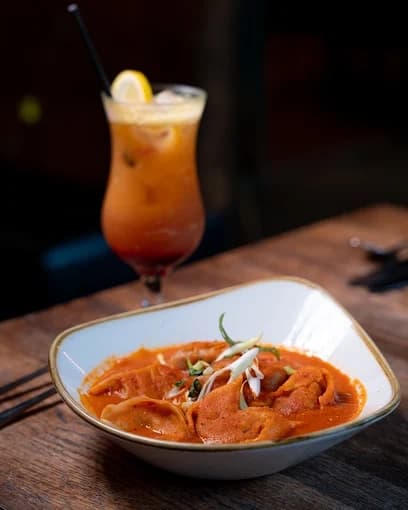
Why Aren't My Restaurant's Food Videos Performing?
If a restaurant's food content is consistently underperforming, the problem is not necessarily the algorithm. Look at the content itself first.
There is no clear reason to keep watching.
If the first few seconds do not create curiosity, visual interest, or a clear promise, people have little reason to stay.
The food looks good but creates no desire.
Beautiful food is not automatically persuasive food. Ask whether the video communicates texture, experience, context, or emotion, not just appearance.
Every video looks the same.
Consistency is valuable. Repetition without variation is not. A restaurant needs recognisable brand cues without producing the same video repeatedly.
Trends have replaced the brand.
A trend can help distribution. But if the trend could belong to any restaurant, it may contribute very little to brand recognition. You should only use trends when they strengthen the brand rather than replacing it.
Views have become the only KPI.
A video with 100,000 irrelevant views may be less commercially useful than a video with 10,000 highly relevant local viewers. Track attention, but also look for stronger signals like profile visits, saves, shares, enquiries, etc.
There is no content strategy behind the production.
One strong video can create a spike. A recognisable content system creates consistency. Restaurants need a mix of content that can attract attention, demonstrate quality, communicate personality, and create reasons to visit.
Views, likes, and shares can tell you whether people noticed your content, but they do not necessarily tell you whether your marketing is contributing to growth. You can learn more about that here: Marketing should bring more than just attention.
The Psychology Behind Food Content Is Only the Beginning
The most effective food videos do not simply make people stop scrolling. They make something happen after the scroll.
Attention creates the opportunity.
Desire gives the viewer a reason to care.
Branding makes the experience memorable.
Trust makes the restaurant credible.
A clear next step turns interest into action.
That is the difference between content that is merely visible and content that contributes to demand.
For restaurants and hospitality brands, the goal should not be to chase virality for its own sake. It should be to create food content that attracts the right audience, communicates what sets the brand apart, builds genuine appetite for the experience, and remains memorable after the video ends.
If your restaurant's content is generating attention but not translating that attention into meaningful interest, the problem may not be how often you post. It may be how strategically the content is being created. You can contact RestoRefine today if you have any issues with content creation, production, posting, or more.
Frequently Asked Questions
Why are food videos so popular?
Food videos combine strong visual cues with anticipation, sensory imagination, emotion, and familiarity. Viewers can quickly understand what they are seeing and imagine aspects of the eating experience. Short-form video also makes it easy to communicate preparation, transformation and the final payoff within seconds.
Why do food videos make people hungry?
Appetising food imagery can activate expectations associated with eating. Visual and auditory cues can encourage viewers to imagine the sensory experience of the food. Research into short-form food content has also found links between immersive food videos, sensory arousal and immediate ordering intention.
What makes a food video go viral?
There is no guaranteed formula. Food videos are more likely to spread when they capture attention quickly, create curiosity, provide a satisfying payoff, and give viewers a reason to share or rewatch. Timing, audience relevance, distribution, and platform behaviour also influence whether content becomes viral.
What type of food videos get the most views?
There is no single format that consistently guarantees the most views. Transformation videos, preparation footage, visually distinctive dishes, reactions, behind-the-scenes content and satisfying sensory moments can all perform well when the concept matches the audience. The strongest format is the one that gives the viewer a clear reason to watch.
Can food videos help restaurants get more customers?
Yes, but they should be treated as part of a wider marketing system rather than a guaranteed sales mechanism. Food videos can build awareness, desire, familiarity and brand preference, while stronger commercial outcomes depend on factors such as the offer, location, reputation, customer experience and the next step available to the viewer.
What is food video production?
Food video production is the process of planning, filming and editing video content designed to communicate food, drinks, restaurants or hospitality experiences. Depending on the objective, it can include social-first short-form videos, recipe and preparation content, brand films, promotional videos, campaign assets and advertising creative.